

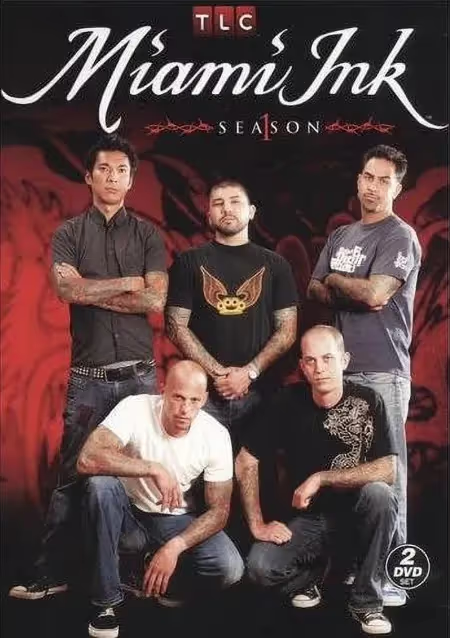
Miami Ink is a reality television series set squarely in South Beach, following tattoo artist Ami James and four of his close friends as they work, argue, bond, and tattoo their way through daily life at one of Miami’s most famous studios. Premiering on TLC in July 2005, the show quickly found an audience by combining deeply personal client stories with the creative process behind permanent body art. By April 2008, the series had entered its fourth season, firmly cementing its place in reality TV history.
What made Miami Ink work wasn’t just the tattoos—it was the personalities. Each episode balanced emotional backstories with shop drama, all framed by the unmistakable energy of Miami. Sun, palm trees, nightlife, and just enough chaos gave the show a distinct sense of place that separated it from other reality programming of the era.
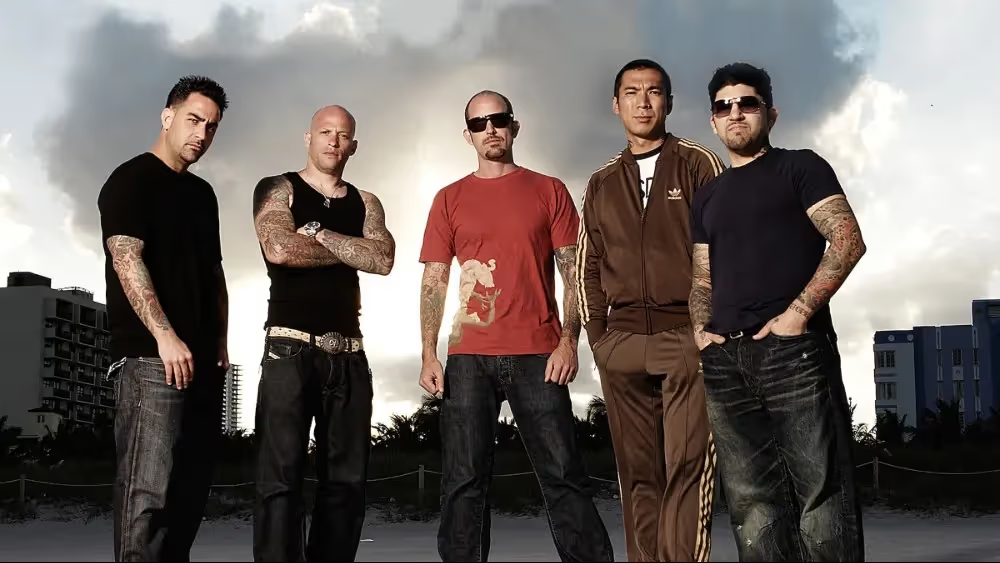
Ami James serves as both narrator and shop owner, anchoring the series with a strong, self-assured personality. He can be abrasive and blunt, often pushing people hard to get results, but his artistic talent is undeniable. Ami comes from a family of artists—his father had tattoos—and his desire to build something independent ultimately led to the creation of Miami Ink. His focus on detail and meaning is central to the show’s emotional core.
Chris Núñez plays the role of the compassionate friend, often connecting with clients on a deeply personal level. A former graffiti artist, Chris has always gravitated toward creative spaces. Tattooing isn’t just his job—it’s his life. His calm, empathetic demeanor makes him especially appealing to emotionally driven clients.
Darren Brass acts as the group’s lovable instigator. He stirs the pot, teases Ami relentlessly, and occasionally causes trouble, but his loyalty to the group is never in question. Known for freehand work, Darren is friendly to a fault and easily becomes the target of jokes, earning him the unofficial title of the shop’s teddy bear.
Chris Garver is the most experienced and laid-back member of the group. Older and more reserved, he brings a quiet intensity to his work. Clients tend to open up to him easily, and he’s particularly known for traditional Japanese designs, philosophical themes, and fantasy-inspired tattoos.
Rounding out the cast is Yoji Harada, the apprentice. Not yet a tattoo artist when the series began, Yoji handles the behind-the-scenes grunt work—cleaning, prepping, copying designs, and assisting wherever needed. In exchange, he’s taught the craft from the ground up, offering viewers a look at the apprenticeship side of tattoo culture.
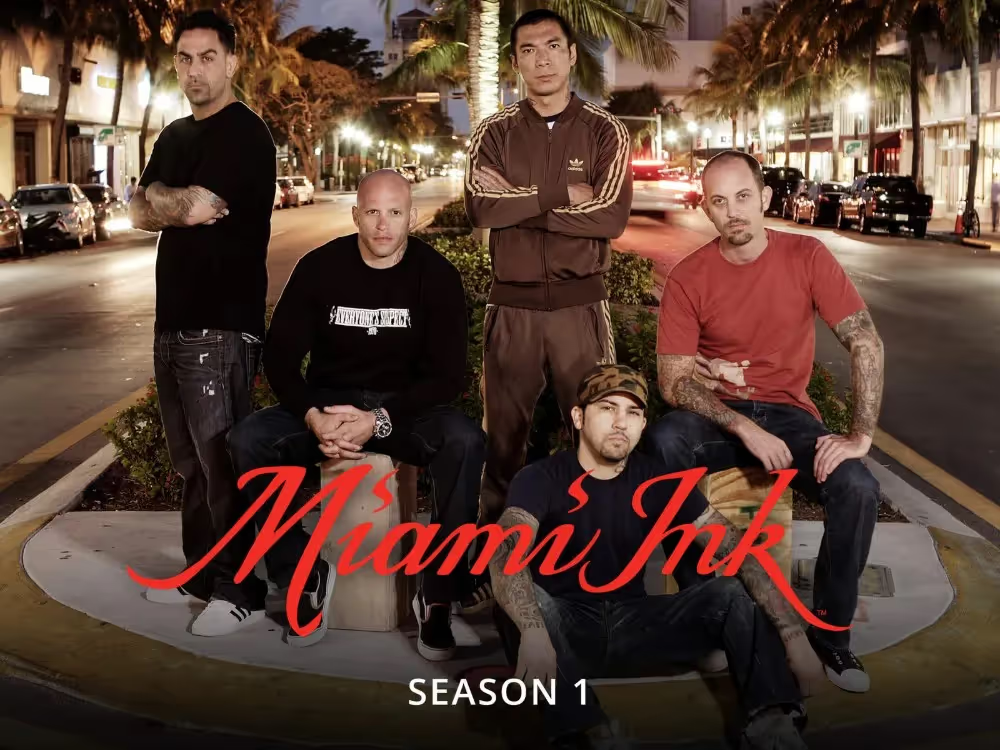
Miami itself plays a supporting role in nearly every episode. From games of pool at Felt to nights at the Playwright Irish Pub, the city’s nightlife and social scene are woven seamlessly into the narrative. Palm trees, ocean views, and beautiful people provide a distinctly Miami atmosphere that enhances the show’s appeal.
The soundtrack complements the emotional arcs of each episode, helping bring closure to the individual stories by the end. While there’s little in the way of cliffhangers, the combination of music, art, and personal storytelling keeps viewers coming back.
I’m embarrassed to admit it, but I genuinely enjoy watching Miami Ink. I don’t have a single tattoo, but if I ever did, I’d want a Japanese-style dragon done by Ami James. The show has that effect—it makes even the tattoo-less reconsider their life choices.
The studio operates on a walk-in-only basis, with a minimum tattoo price of $200 and no hourly rate. However, the artists featured on the show are not typically working during standard shop hours, which run from noon to midnight. To be tattooed by one of the TV personalities, visitors must stop by the shop and arrange a special appointment.
Those interested in appearing on the show should watch for casting calls, bring artwork samples, and be prepared to share their personal story. Casting details are handled through TLC.
Ami James and Chris Núñez also own a nearby shop and bar called Love Hate, located just two doors down, further expanding their footprint in South Beach.
Editor’s Note: Originally published on May 8, 2008. Updated in 2026 with new photography; while preserving Loren’s original review.

Lorem ipsum dolor sit amet, consectetur adipiscing elit. Suspendisse varius enim in eros elementum tristique. Duis cursus, mi quis viverra ornare, eros dolor interdum nulla, ut commodo diam libero vitae erat. Aenean faucibus nibh et justo cursus id rutrum lorem imperdiet. Nunc ut sem vitae risus tristique posuere.
Lorem ipsum dolor sit amet, consectetur adipiscing elit. Suspendisse varius enim in eros elementum tristique. Duis cursus, mi quis viverra ornare, eros dolor interdum nulla, ut commodo diam libero vitae erat. Aenean faucibus nibh et justo cursus id rutrum lorem imperdiet. Nunc ut sem vitae risus tristique posuere.
Check out our top local tours on Miami Beach 411—no tourist traps, just the best adventures, Everglades, and more.
Book Your TourOr book your hotel through our Hotels.com partnership—it helps keep Miami Beach 411 free and independent for everyone.
Book Your Hotel


Comment disclaimer:
Some comments below originated on a previous version of MiamiBeach411.com. As a result of platform migrations, displayed comment dates may reflect import timestamps rather than original posting dates. Many comments date back to the early 2000s and capture community conversations from that time. If you have local insight, updates, or memories to share, we welcome your comments below.
This story has been part of Miami Beach conversations for decades—and it’s still unfolding. Add your voice.
Lorem ipsum dolor sit amet, consectetur adipiscing elit. Suspendisse varius enim in eros elementum tristique. Duis cursus, mi quis viverra ornare, eros dolor interdum nulla, ut commodo diam libero vitae erat. Aenean faucibus nibh et justo cursus id rutrum lorem imperdiet. Nunc ut sem vitae risus tristique posuere.
Lorem ipsum dolor sit amet, consectetur adipiscing elit. Suspendisse varius enim in eros elementum tristique. Duis cursus, mi quis viverra ornare, eros dolor interdum nulla, ut commodo diam libero vitae erat. Aenean faucibus nibh et justo cursus id rutrum lorem imperdiet. Nunc ut sem vitae risus tristique posuere.